

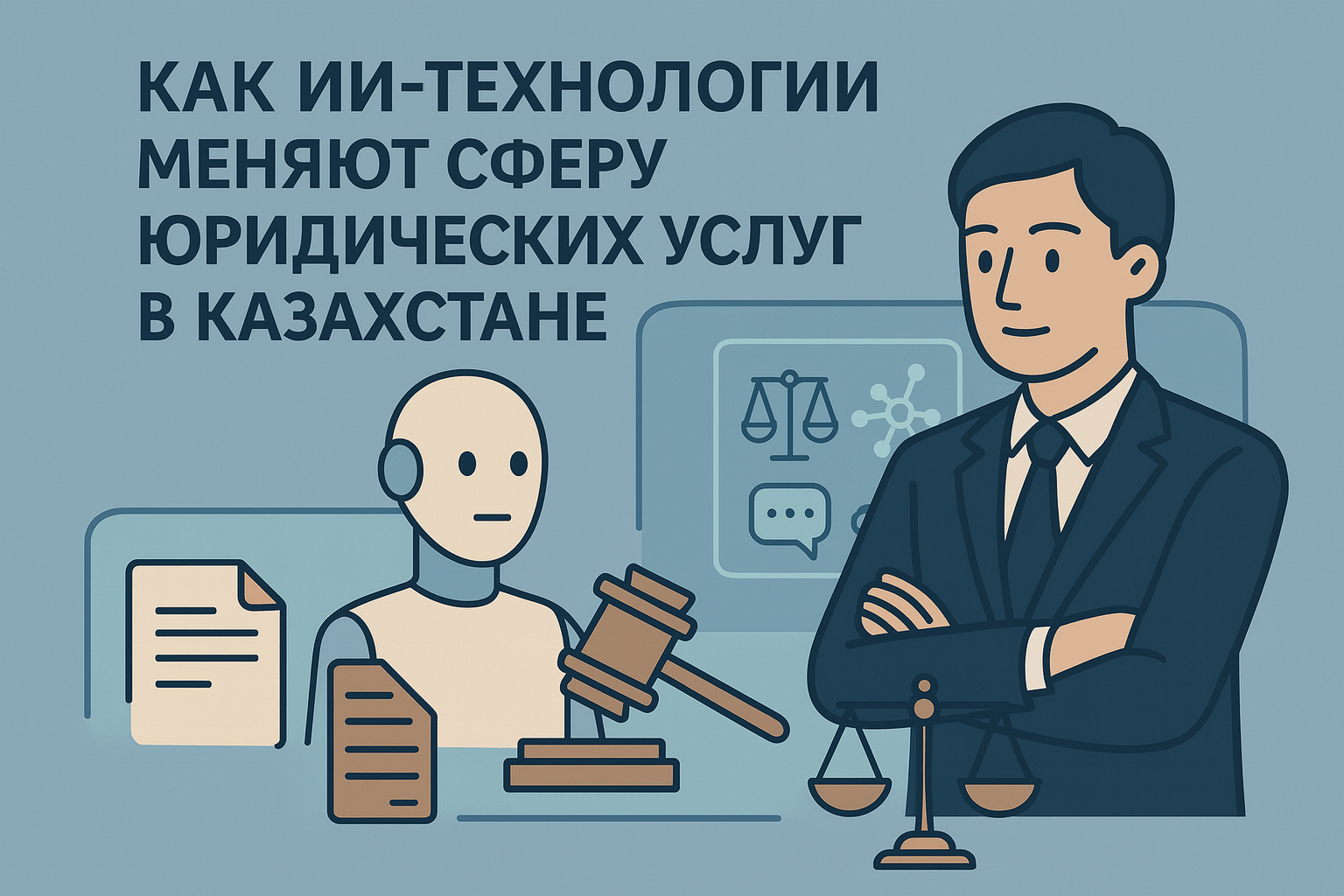
Kazakhstan's legal industry is undergoing significant transformation through artificial intelligence integration into daily practice. Modern AI solutions not only optimize routine processes but also open new horizons for legal service development in the republic. Let's examine key aspects of AI's impact on Kazakhstan's legal sector.
Current State of AI Implementation in Legal Practice
In recent years, leading law firms in Kazakhstan have shown growing interest in implementing AI technologies to enhance work efficiency. While precise implementation statistics are unavailable, there's a clear trend toward digitalization of legal services.
Kazakhstan's judicial system digitalization also promotes wider application of AI tools in legal practice. Electronic litigation implementation has created a favorable environment for developing technological solutions that optimize interaction between all participants in legal relationships.
Main Areas of AI Application in Legal Services
Legal Research and Document Analysis
Machine learning-based systems can process massive amounts of legal information within minutes. This allows lawyers to find relevant precedents and regulations faster, which is especially valuable given Kazakhstan's constantly changing legislation.
Text recognition and intelligent document analysis technologies automate contract review processes, identifying potential risks and inconsistencies. This significantly reduces time spent on due diligence and other labor-intensive procedures.
Predictive Analytics
AI algorithms can analyze historical court decision data and predict probable case outcomes in Kazakhstani courts. This helps lawyers develop more effective client interest protection strategies and make informed decisions about litigation feasibility.
Document Management Automation
Intelligent document generation systems allow creating standard legal documents based on specified parameters. This is particularly relevant for notarial practice and corporate law, where many documents have standardized structures.
Benefits of AI Implementation for Law Firms and Their Clients
Increased Efficiency and Cost Reduction
Routine task automation allows lawyers to focus on strategic work aspects requiring human experience and intuition. Expert estimates suggest that implementing AI solutions in legal practice can increase productivity by 20-30% and reduce analytical work time by up to 70%.
Expanded Access to Legal Services
Digital legal platforms with AI elements make basic legal services more accessible to the public and small businesses. Kazakhstan already operates several online services offering automated legal support for common issues.
Improved Service Quality
AI tools help minimize human error in legal analysis. Law firms using modern technologies can offer clients more accurate and well-founded solutions to their legal problems.
Challenges and Development Prospects
Regulatory Issues and Ethical Questions
Kazakhstan's legislation, like many other countries, hasn't kept pace with rapid AI technology development. Questions of liability for AI-assisted decisions, personal data protection, and client information confidentiality require detailed consideration.
Legal Education Transformation
AI implementation in legal practice creates demand for new-type specialists possessing not only legal knowledge but also understanding of technological aspects. Leading law schools in Kazakhstan are already including legal informatics and AI in jurisprudence courses in their programs.
Conclusion
AI technology development inevitably changes Kazakhstan's legal services landscape. Despite certain challenges related to new technology implementation, artificial intelligence's potential benefits for legal practice are enormous. Law firms adapting to technological changes in timely fashion gain significant competitive advantages and opportunities to offer clients higher quality and more effective solutions to their legal challenges.
Gabitzhan Kudaibergen, Managing Partner at GK and Partners